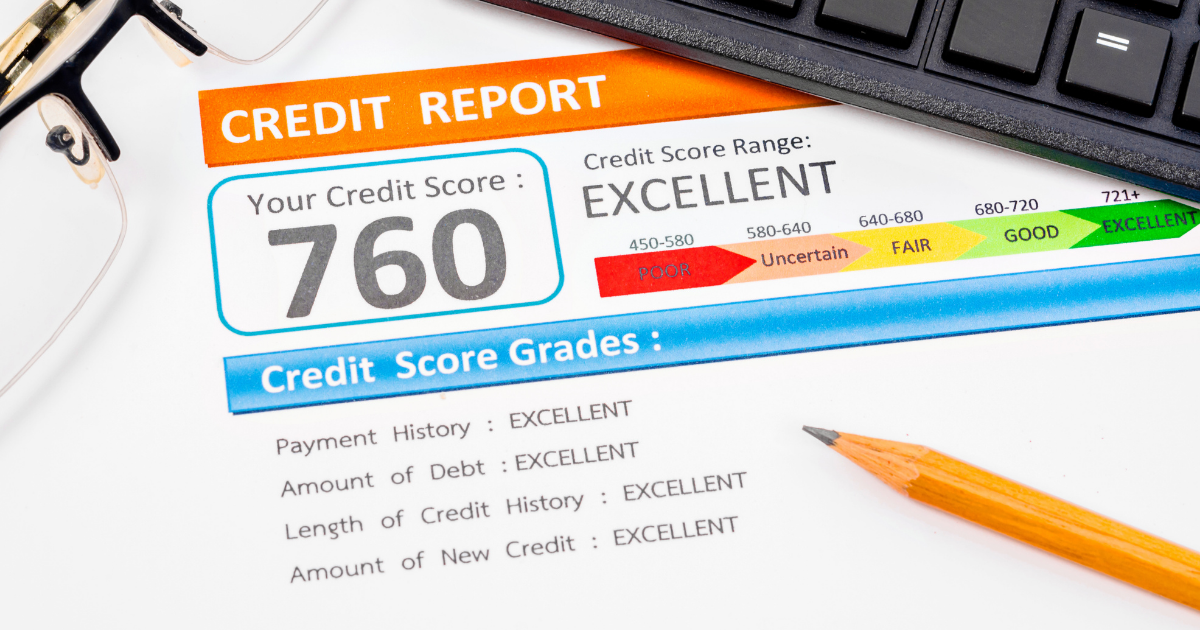
Understanding how to build business credit is essential for small business owners seeking financial independence, better funding options, and separation from personal finances. Business credit represents your company’s creditworthiness to lenders, vendors, and suppliers, influencing your ability to secure loans, credit lines, and favorable terms. Unlike personal credit, it is tied to your business entity and Employer Identification Number (EIN), not your Social Security number. This comprehensive guide explains the fundamentals of business credit, its importance, and the actionable steps you can take to establish and build a strong business credit profile in 2025.
What Is Business Credit?
Business credit is a record of your business’s financial reliability, reflecting how well your company manages debt obligations, pays bills, and handles credit accounts. It is tracked by business credit bureaus such as Dun & Bradstreet (D&B), Experian Business, and Equifax Business. Key metrics and scores evaluate payment history, credit utilization, financial stability, and risk factors specific to your business—not you personally.
Business credit profiles use identifiers like your business name, address, industry classification, and EIN. These profiles become databases that lenders, suppliers, and partners review to assess your creditworthiness, which can affect lending decisions, credit limits, and contract terms.
Why Is Business Credit Important?
Building a strong business credit score unlocks funding and better terms through lower interest rates, higher limits, and flexible supplier accounts; while separating your personal and business finances. It builds credibility, protects your personal assets, and fuels sustainable growth.
- Separates Business and Personal Finances: Your company’s financial performance stands alone, reducing personal guarantees and protecting personal assets.
- Improves Access to Capital: Lenders evaluate your business activity, enabling higher credit limits, better rates, and flexible repayment options.
- Enhances Vendor and Supplier Relationships: Strong credit helps secure trade credit and favorable terms, improving cash flow.
- Boosts Reputation and Growth Potential: A good score signals stability and professionalism to clients, partners, and investors.
- Enables Larger Purchases and Investments: Many leases, equipment financing, and expansion loans rely on business credit information.
Understanding Key Business Credit Scores and Reports
Understanding the major business credit scores through bureaus like Dun & Bradstreet PAYDEX, Experian Intelliscore, Equifax Business, and FICO SBSS is extremely important to your business finances. You should understand what the scores measure and how lenders use them. Regularly monitoring your reports helps catch errors, strengthen your profile, and improve access to funding.
- D&B PAYDEX (1–100): Reflects payment timeliness to vendors; scores above 80 indicate timely or early payments.
- Equifax Business Credit Score (1–100): Measures risk of default; higher is better.
- Experian Intelliscore Plus (1–100): Predicts risk of severe delinquency; 76+ is typically considered “low risk.”
Other related scores:
- Failure Score: Indicates risk of business failure or bankruptcy.
- Credit Risk Score: Reflects likelihood to repay debts on time.
Lenders often consider a combination of these scores and your financial data. Monitoring your scores regularly is vital to maintaining credit health.
How to Build Business Credit
Building business credit is not much different from building personal credit and includes the following steps:
- Form a Legal Business Entity and Obtain an EIN: Establish a NC LLC, corporation, or partnership to formally separate personal and business finances. Obtain an EIN from the IRS to use for credit accounts and filings instead of personal SSNs.
- Open a Business Bank Account: Use your EIN to open a dedicated business checking account. This separation supports clean bookkeeping and is often required for credit approvals.
- Register with Business Credit Bureaus: Create or claim profiles with major bureaus. Obtaining a D-U-N-S Number from D&B is widely recommended for vendor and lender recognition.
- Establish Trade Lines with Reporting Vendors: Open accounts with vendors and suppliers that report to business bureaus. Pay invoices on time—or early—to build positive payment history quickly.
- Use Business Credit Cards Responsibly: Apply for a business credit card that reports under your EIN. Use it for regular expenses and pay on time or in full to keep utilization low.
- Monitor Your Business Credit Reports Regularly: Check your reports quarterly and dispute errors promptly. Set up alerts to track changes to your profile.
- Maintain Good Financial Habits: Just like your own personal credit, the rules of building and maintaining business credit include the following:
-
- Pay all bills on or before due dates.
- Manage debt levels and avoid overextension.
- Build credit diversity (cards, loans, vendor lines).
- Keep business information current with bureaus.
Tips for Building Business Credit Quickly and Effectively
Accelerate results by focusing on the fundamentals like opening credit lines that report, use them lightly, and pay early every time are just beginning. Take a look at some of the tips below to help you build your business credit as fast as possible:
- Choose vendors that report to at least one major business bureau.
- Consider EIN-based corporate cards that minimize personal guarantees.
- Request higher credit limits over time to improve utilization.
- Open additional trade lines as your history grows.
- Avoid late payments—automate due dates to prevent misses.
- Use credit to manage cash flow while keeping balances low.
Common Business Credit Mistakes to Avoid
A lot of people opening a new business end up making the dangerous mistakes below:
- Mixing Personal and Business Finances: Complicates reporting and can harm both credit profiles.
- Failing to Register with Bureaus: Without listings or tradelines, no profile can form.
- Ignoring Payment Timeliness: Late payments rapidly degrade scores and trust.
- Not Monitoring Reports: Errors or fraud can go unnoticed and damage credit.
- Overextending Credit: Excessive accounts or debt signals risk and can raise borrowing costs.
Benefits of Strong Business Credit
As with personal credit, a strong business credit profile unlocks opportunities that aren’t available to companies without an established history, including:
- Easier approval for loans and credit lines.
- Better terms, lower interest rates, and higher limits.
- Reduced reliance on personal guarantees.
- Improved vendor relationships and cash flow flexibility.
- Enhanced credibility with customers, partners, and investors.
Final Thoughts
Building and maintaining strong business credit requires discipline, planning, and proactive management. By separating personal and business finances, establishing trade relationships that report, using credit responsibly, and monitoring credit health, your business can access better financing, protect personal assets, and strengthen its reputation. Start early; even if your company is new and treat business credit as an ongoing priority to unlock growth, flexibility, and long-term success.